Set design in historical dramas is more than mere decoration; it's the silent architect crafting believable and engaging worlds. From the cobbled streets of
Game of Thrones to the gritty trenches of
1917, these meticulously crafted environments transport us to another time and place. This article explores the crucial role of set design, examining how it shapes our understanding and enjoyment of historical narratives.
The Foundation: Research and Authenticity
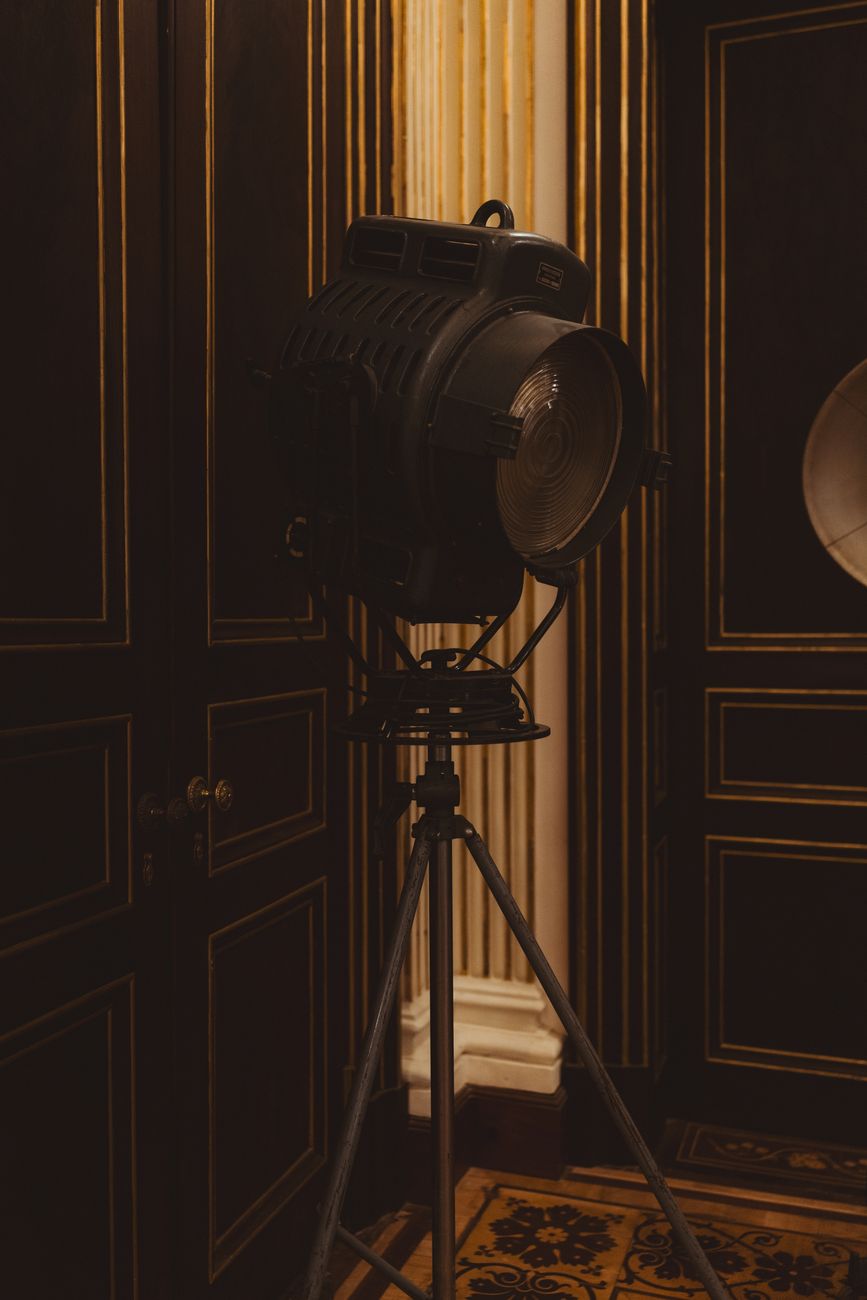
Set design in historical dramas hinges on attention to detail and the recreation of authentic objects to evoke the past.
The bedrock of any compelling historical drama set is thorough research. Without a solid foundation of historical knowledge, the illusion crumbles.
The Importance of Rigorous Research
Historical accuracy requires a deep dive into primary sources like letters and artifacts, and secondary sources like historical analyses. Consulting with historians is equally vital to avoid anachronisms – elements out of place in their historical context – that can shatter the illusion of authenticity.
Recreating the Past: Balancing Accuracy and Artistic License
While accuracy is crucial, set design isn't about creating a perfect replica. Historical records are often incomplete, requiring designers to fill the gaps while remaining true to the spirit of the era. The HBO series
Rome successfully balanced historical accuracy with artistic license. While the series took liberties with certain plot points and characterizations for dramatic effect, the set design meticulously recreated the architecture, costumes, and everyday objects of ancient Rome, creating a believable and immersive world for viewers.
Designers must prioritize key details, focusing on the most impactful elements that convey the essence of the period. Ultimately, set design is an interpretation, not a perfect replica, requiring a delicate balance between historical accuracy and artistic license.
Key Elements of Historical Set Design
Creating a believable historical world requires careful attention to architecture, furnishings, props, color palette, and lighting.
Architecture and Layout
Understanding period architecture is fundamental, from Romanesque cathedrals to mid-century modern homes. Floor plans and spatial arrangements also play a crucial role, reflecting the social structures and daily life of its inhabitants. Using historically accurate materials and construction techniques (or convincing substitutes) is essential for creating a sense of authenticity.
Furnishings and Props
Sourcing authentic or reproduction pieces can be a significant challenge. Antique furniture and props can be expensive and difficult to find, and reproduction pieces must be carefully crafted. Small details, such as tableware and personal accessories, can add depth and richness to the set. Aging and weathering techniques are used to make props and sets look lived-in and historically accurate.
Color Palette and Lighting
Historical color schemes are often quite different from modern ones. Researching and implementing appropriate color palettes is essential for creating a visually authentic environment. The impact of lighting, both natural and artificial, cannot be ignored. The way a room is lit affects the mood and realism of the set. Color and light can be used to create atmosphere and evoke the feeling of the historical period.
Case Studies: Exceptional Set Design in Historical Dramas
Let's examine some examples of historical dramas that have excelled in set design.
The Crown
This series meticulously recreates the world of the British royal family. The attention to detail is astounding, with every room filled with authentic furniture, artwork, and accessories. The effectiveness of the set design lies in its ability to seamlessly blend real-world locations with meticulously crafted sets, creating a truly immersive experience. The use of authentic materials and meticulous attention to detail in recreating royal interiors contribute to the overall believability of the series.
Bridgerton
While taking some liberties with historical accuracy,
Bridgerton creates a visually stunning Regency-era London. The opulent ballrooms, lavish costumes, and vibrant color palettes transport viewers to a world of romance and intrigue. The set design is effective because it prioritizes visual appeal and romantic atmosphere over strict historical accuracy, creating a heightened and stylized version of the past. The use of bold colors, extravagant decorations, and sweeping camera angles contributes to the show's overall sense of fantasy and escapism.
Chernobyl
This miniseries offers a chillingly realistic portrayal of the Chernobyl disaster. The sets are bleak and desolate, reflecting the devastation and despair of the event. The effectiveness of the set design stems from its commitment to realism and its ability to create a sense of unease and dread. The use of drab colors, decaying structures, and meticulous attention to detail in recreating the Chernobyl control room contribute to the overall sense of authenticity and horror.
The Future of Historical Set Design
Technological advancements, particularly CGI and virtual sets, are playing an increasingly important role in historical drama. These technologies allow designers to create environments that would be impossible or too expensive to build in real life. However, there is an ongoing debate about the balance between practicality and authenticity. While CGI can be used to create stunning visuals, it can also feel artificial and detract from the sense of immersion. Many argue that physical sets still offer a unique level of realism and immersion that cannot be replicated by CGI. The best historical set designs often combine physical sets with CGI enhancements, leveraging the strengths of both approaches.
Conclusion: The Power of Immersive Worlds
Set design is more than just a backdrop; it's a vital storytelling tool. It's the foundation upon which historical narratives are built, transporting audiences to another time and place. By meticulously crafting immersive worlds, set designers unlock the past, allowing us to experience history in a visceral and unforgettable way.